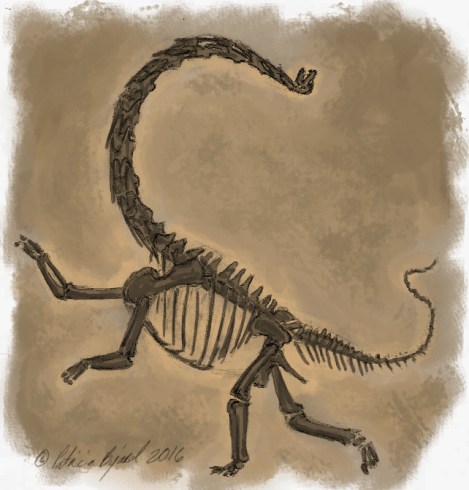
Let’s revisit our friend Mr. B from the first post of this series on fossilization (Who’s Mr. B? Refresh your memory here). We’ve dug up his bones, put them together, figured out all the soft stuff like muscle and skin, and we’ve got a pretty good idea how he lived…but he didn’t live all by himself on a desert island, or on a blank white sheet of paper (ahem, I’m looking at you, boring sideways diagrams).
So how do we figure out about the big picture? Where does Mr. B fit in?
First let’s take a look at old Mr. B…what do we know about him?
- We know he’s a Brachiosaurus.
- We found it in Colorado while digging at the Morrison Formation.
- He’s a very large mega-herbivore, and rare in this particular formation.
This isn’t a lot to go on, aside from the fact that Mr. B would need plenty of plants to eat and water to drink, and lots of space to roam.
Who’s in the neighborhood? It would be tough to figure out what makes a Savannah with only a giraffe to look at, so let’s take a look at some of Mr. B’s neighbors.

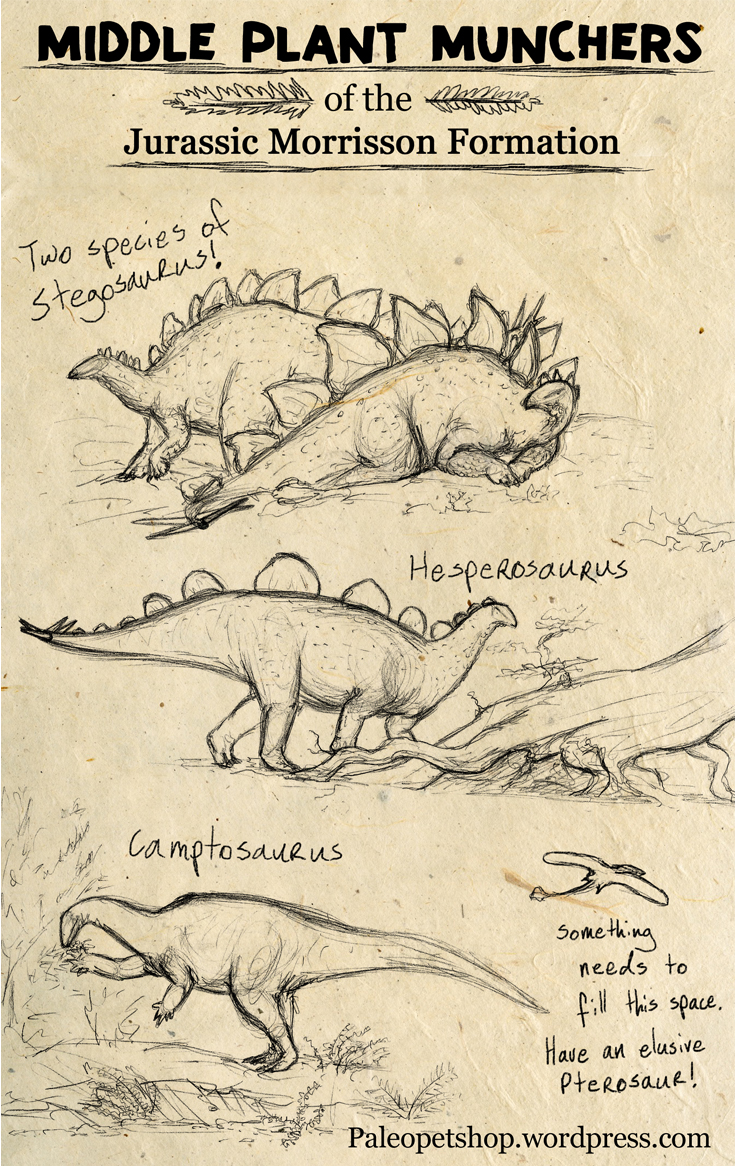
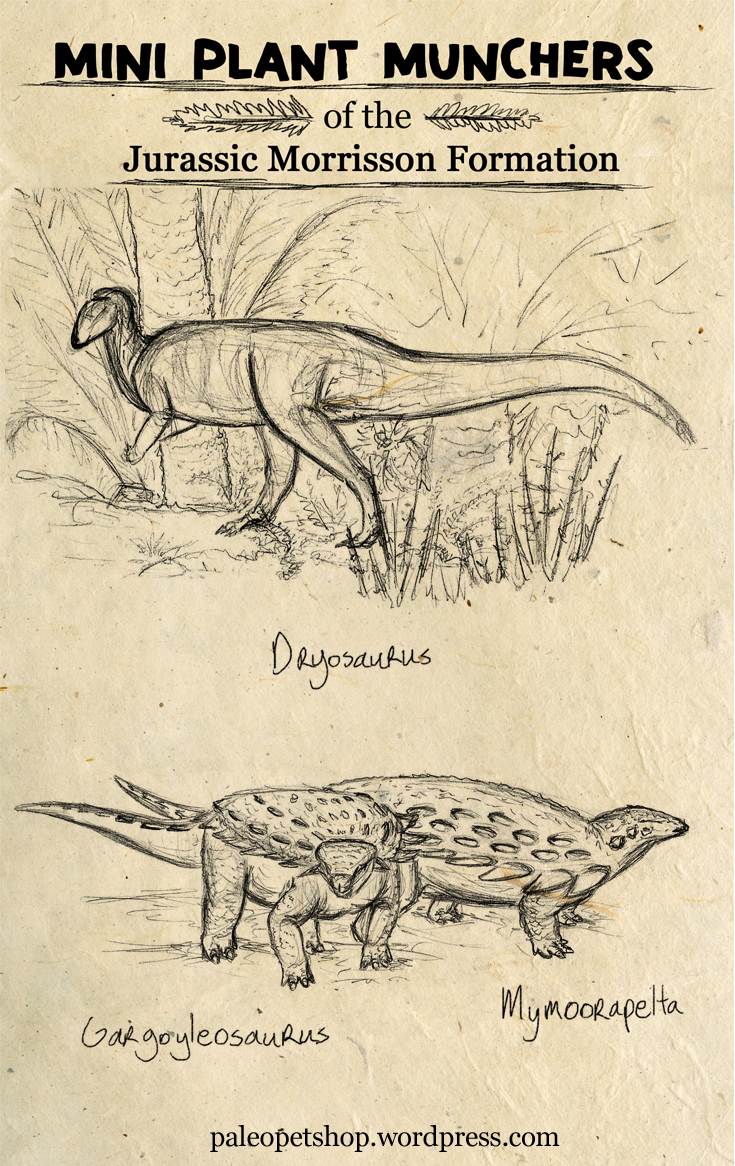

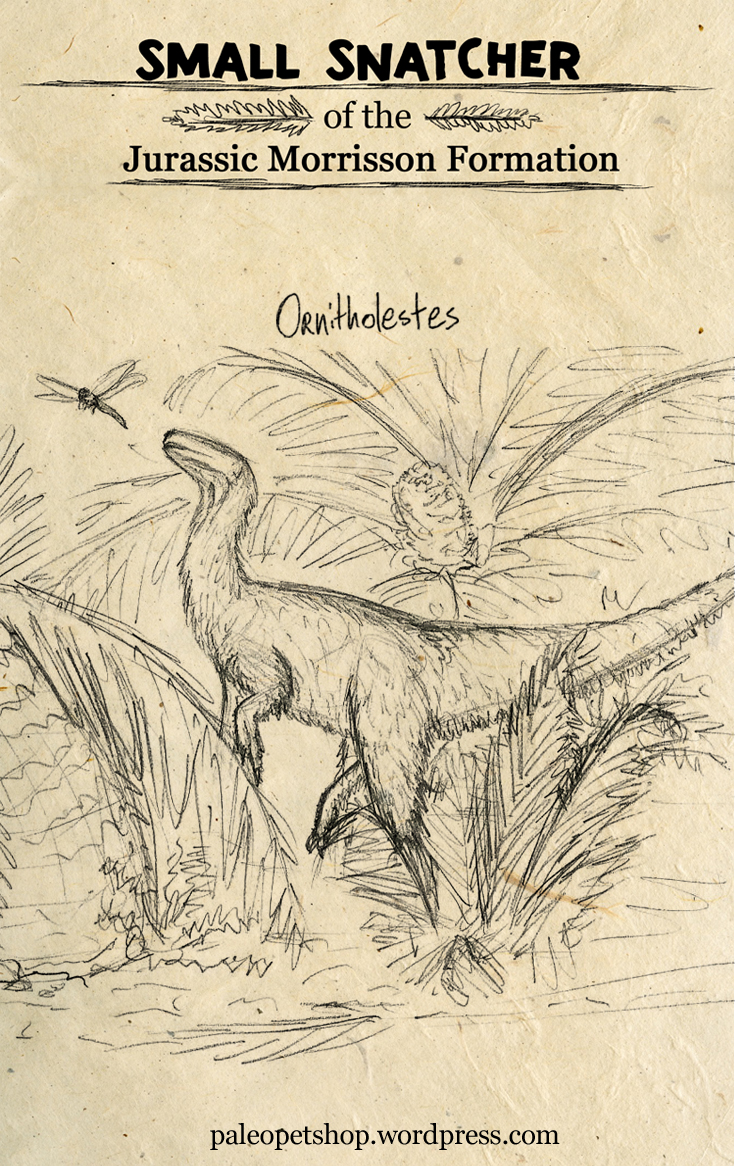
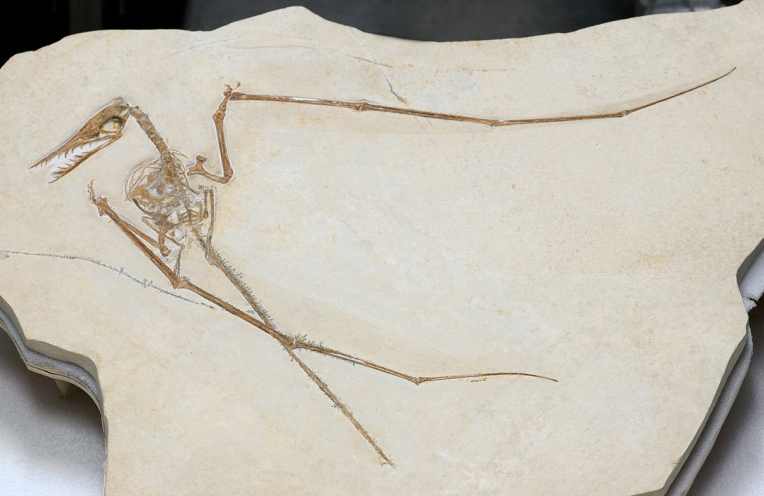
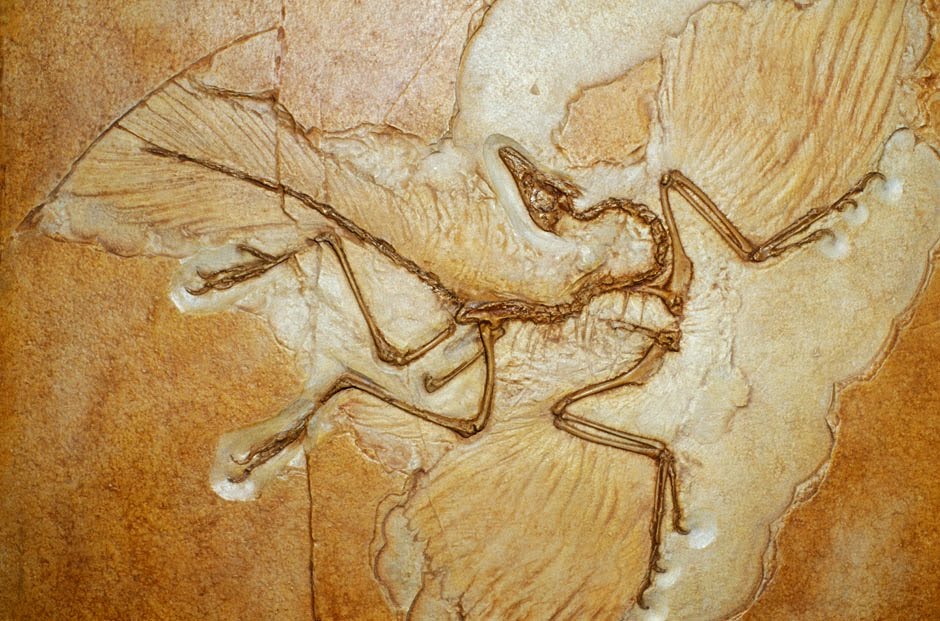
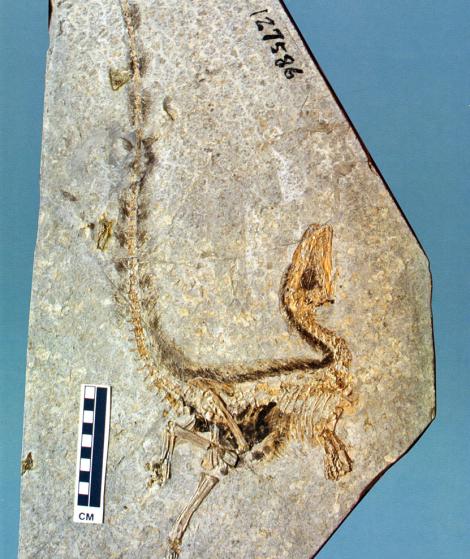
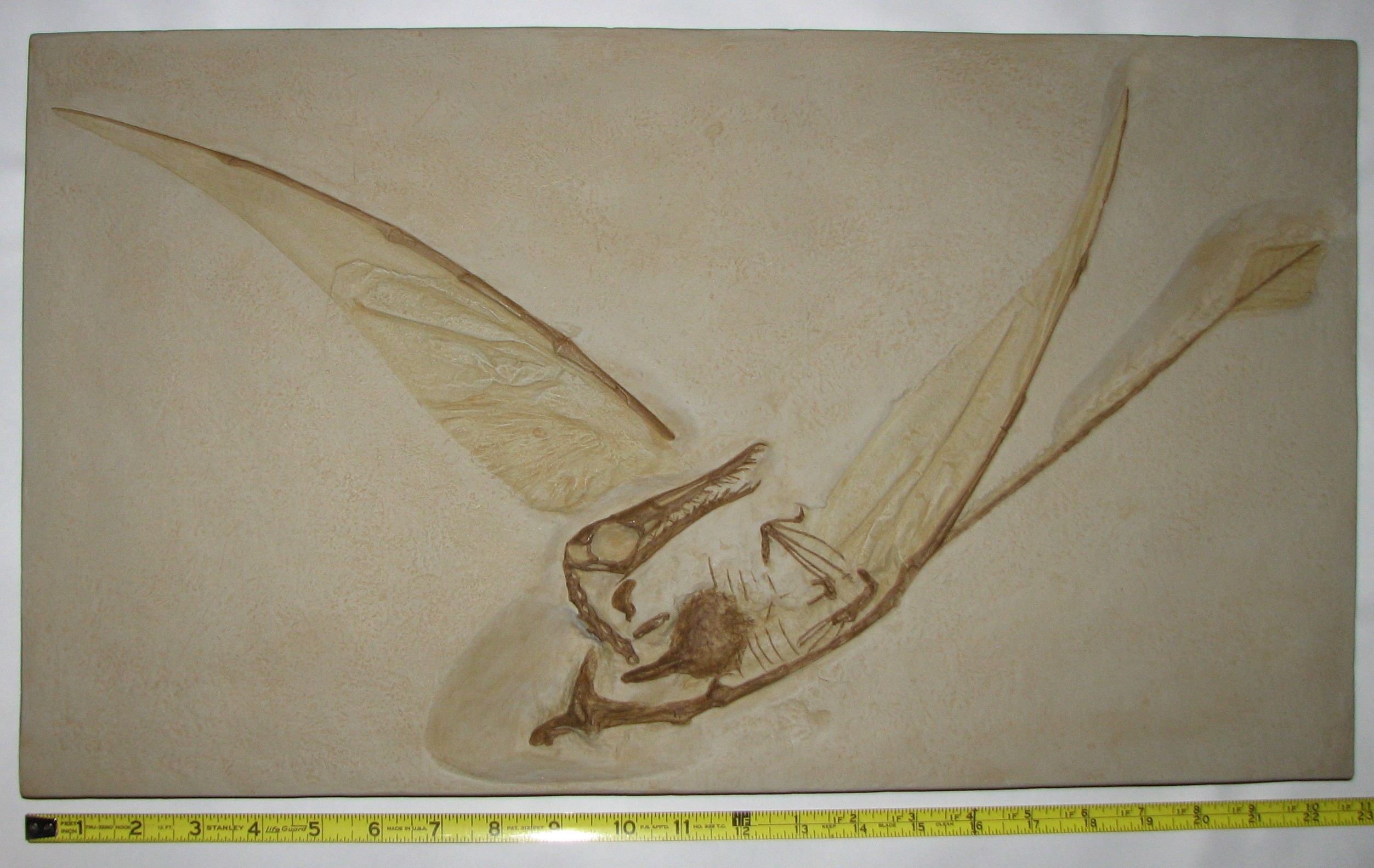
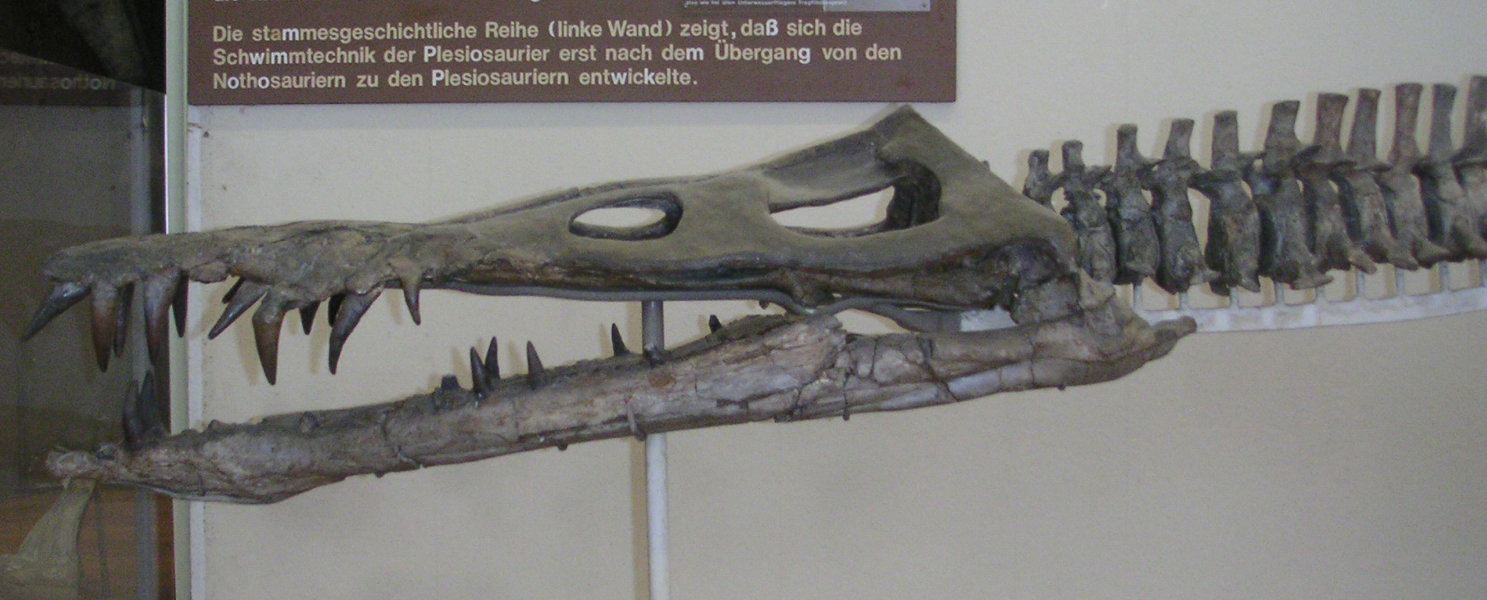
- There were also all sorts of other non-dino critters, like flying pterosaurs, several small land and water-loving crocs, all sorts of insects (including termites that built 90ft-tall mounds), fish, frogs, turtles, lizards, crayfish, clams, and even a few egg-laying mammals no bigger than rats.
Now we’re getting somewhere. We know that this environment has to support several very large herbivores and carnivores, along with a very diverse population of smaller dinosaurs and other animals. We’ll have to assume that many small and delicate animals were not preserved.
What we can’t really figure out from looking at all these animals is…what where all those giant plant eaters eating?
The Green Stuff. Of course, plants are essential to any ecosystem, and in the Morrison Formation we find stuff kinda like this…
Conifers:
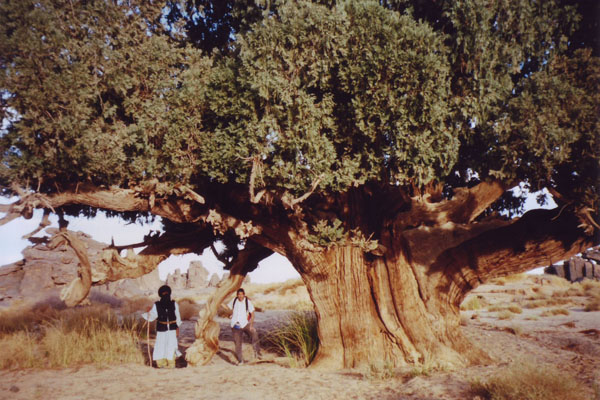


Ginkgoes:


Tree Ferns:


Horsetails can live just about anywhere so long as there’s a river- even deserts.


Ferns in the desert! Notice how grass-like the “dead” one looks.


Dirt isn’t just dirt. Sand, mud, ash, sediment at the bottom of the ocean or a lake…they all turn into different kinds of rock. So what kind of rock a fossil is buried in can tell us a lot about plants, which can then tell us a lot about the local weather.
The Morrison Formation is made of layers of mudstone, sandstone, siltstone and limestone, and is light grey, greenish gray, or red in color. Most of the fossils occur in the green siltstone beds and lower sandstones.
To translate into plain English, this means that the area was an area laced with a few rivers, and had seasons of drought and flood. Since the area was relatively flat, it would flood and turn into swamp in the wet season, but have dry Savannah during the dry season.
But there was no grass or flowering plants in the Jurassic, so what sort of plants would there be in a Mesozoic Savannah?

Take a look at modern ecosystems. In areas that have no grass or flowering plants, what is the primary groundcover?
Let’s take another look at those desert ferns…


Dead looking and dry during the long months of drought, but give it a little water and it transforms. The grassy-looking brown fern further up does the same thing. Dead and brown when it’s dry, lush and green when it rains.
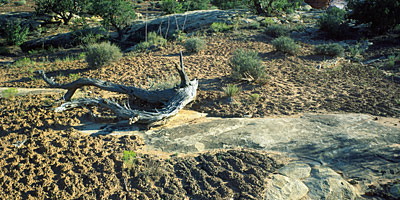
Another ground cover…biological soil crust.
Biological what? (my thoughts when I first read that)
Biological soil crust, or cryptobiotic soil, is a community of bacteria, moss, and lichen that holds moisture, prevents erosion, and provides valuable nutrients for plants (and possibly dinos 😀 ). It looks all brown and crusty during the dry season, but like the ferns, turns green when it rains.
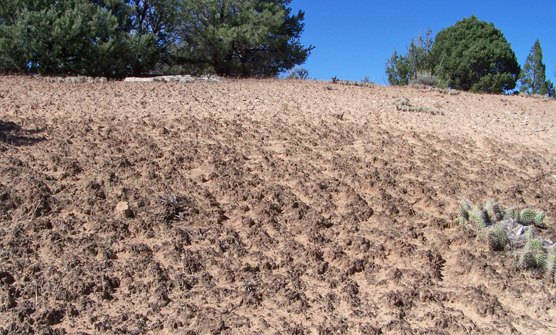
One last picture, and here we have something that is probably very similar to what the Jurassic Morrison habitat was like. Only instead of the flowering shrubs we see here, imagine many different shapes of cycad and bushy areas of dried out ferns waiting for rain…closer to the river we get horsetails, ginkgoes, and giant, more water-loving ferns and tree ferns.
The padded feet of dinosaurs, like camels, kangaroos, and ostriches today, doesn’t break the slow-growing crust underfoot.
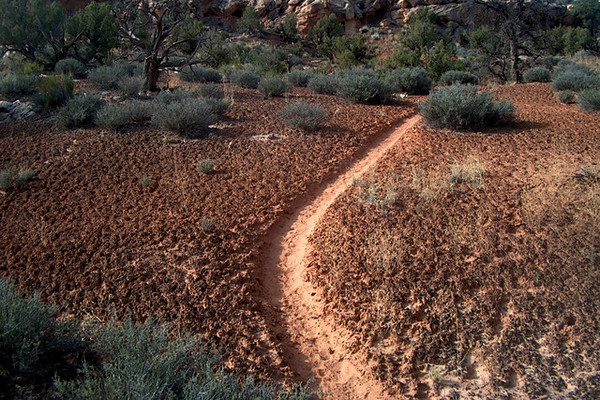
Quick Question: Now that we have a more complete picture, how do you think Mr. B fits in now? My guess is as good as yours, so it’s all fun speculation. I’d love to here your answer in the comments! 🙂
Fleshing out the Bones Series:
- Part 1: The Miracle of Fossilization (the crazy hard obstacle course from death to museum)
- Part 2: The World’s Toughest Jigsaw Puzzle (making a mounted skeleton out of bits and pieces)
- Part 3: Here’s the Easy Part (figuring out muscle and other fun anatomy)
- Part 4: Let’s Put Some Skin on That (how much we know, and don’t know, about the soft stuff)
- Part 5: Time to Get Wild! (how we can guess about behavior, and how crazy it can get!)
- Part 6: Uncharted Waters (all about the big picture. No animal lives on a blank sheet of paper)












 Pete's Paleo Petshop